Cat Behaviour8 May 20262 min read
Sisal, cardboard or carpet: a practical scratching guide
Cats scratch to stretch, mark and maintain their claws. The material and height of the post decide whether they use it or choose your sofa instead.
Scratching is not misbehaviour
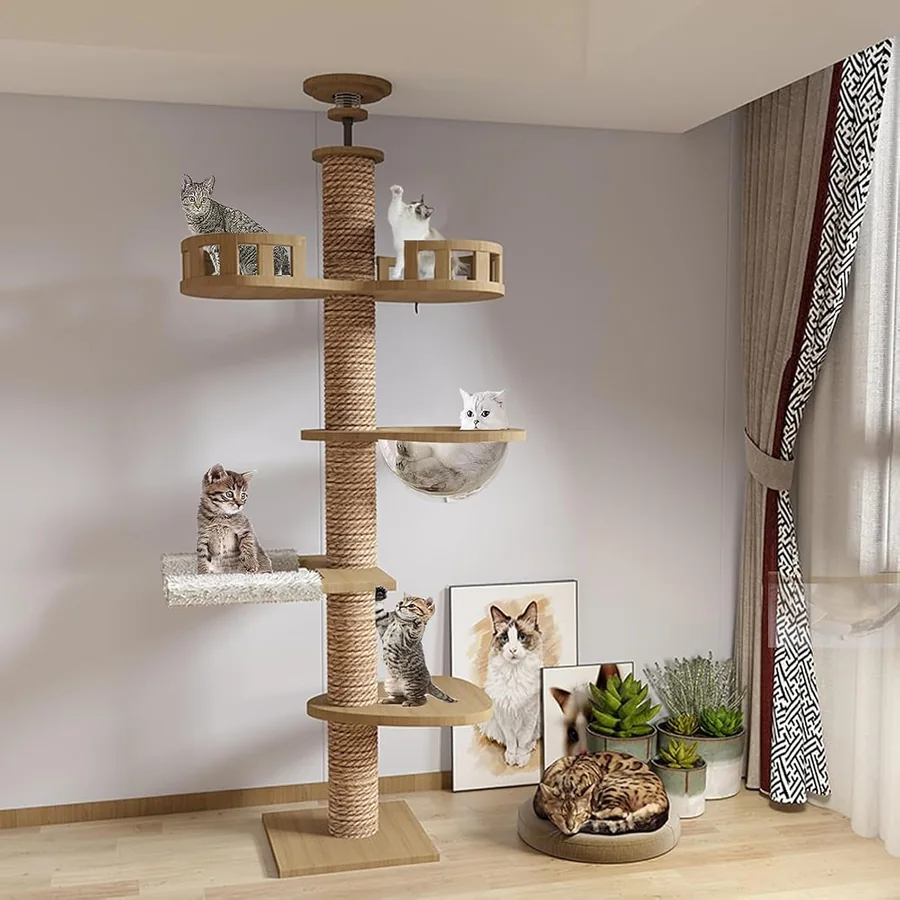
A cat scratches to shed the outer claw sheath, stretch the spine and shoulders, and leave both a visual and scent mark. It is a daily need, not a mood. The practical question is not “how do I stop it?” but “where do I want it to happen?”.
Height matters more than width
A scratching post needs to be tall enough for the cat to stretch fully upright, with the front paws above the head. Many posts are too short, so the cat reaches the top and finishes the stroke on the wall or the sofa.
For an average adult cat, look for a post at least 60–70 cm of usable scratching height. For a large breed, go taller. A tall post also gives the cat a stable brace, which is why flimsy posts get abandoned.
Material: what actually shreds well
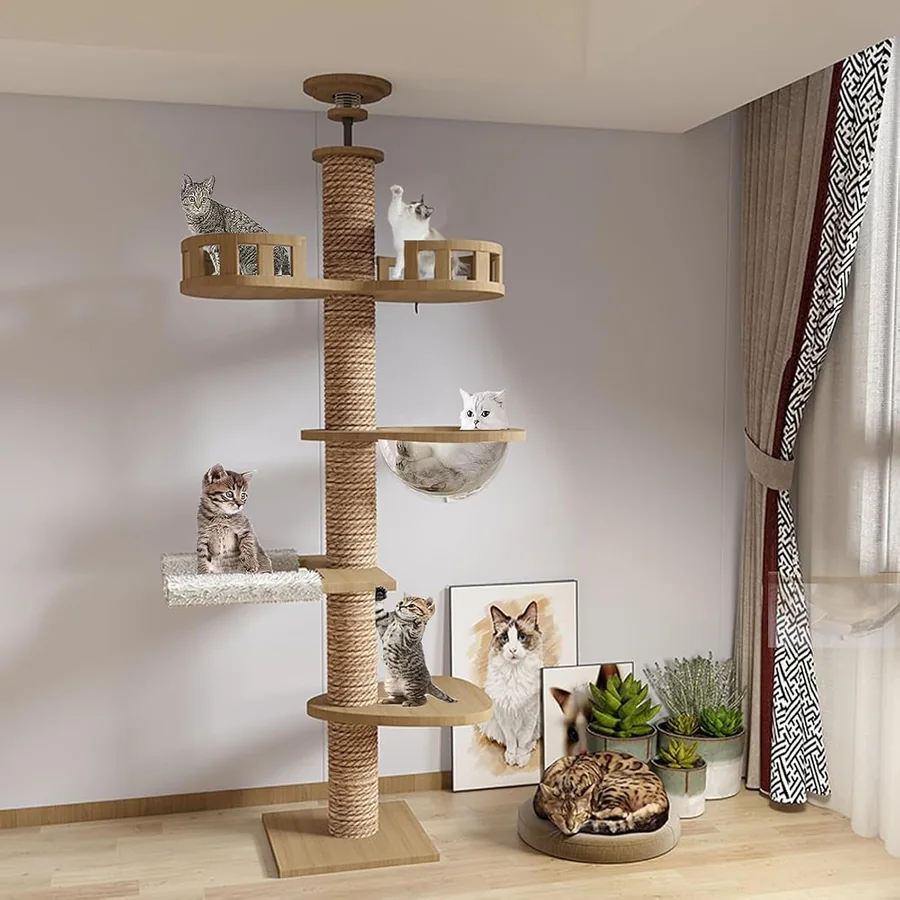
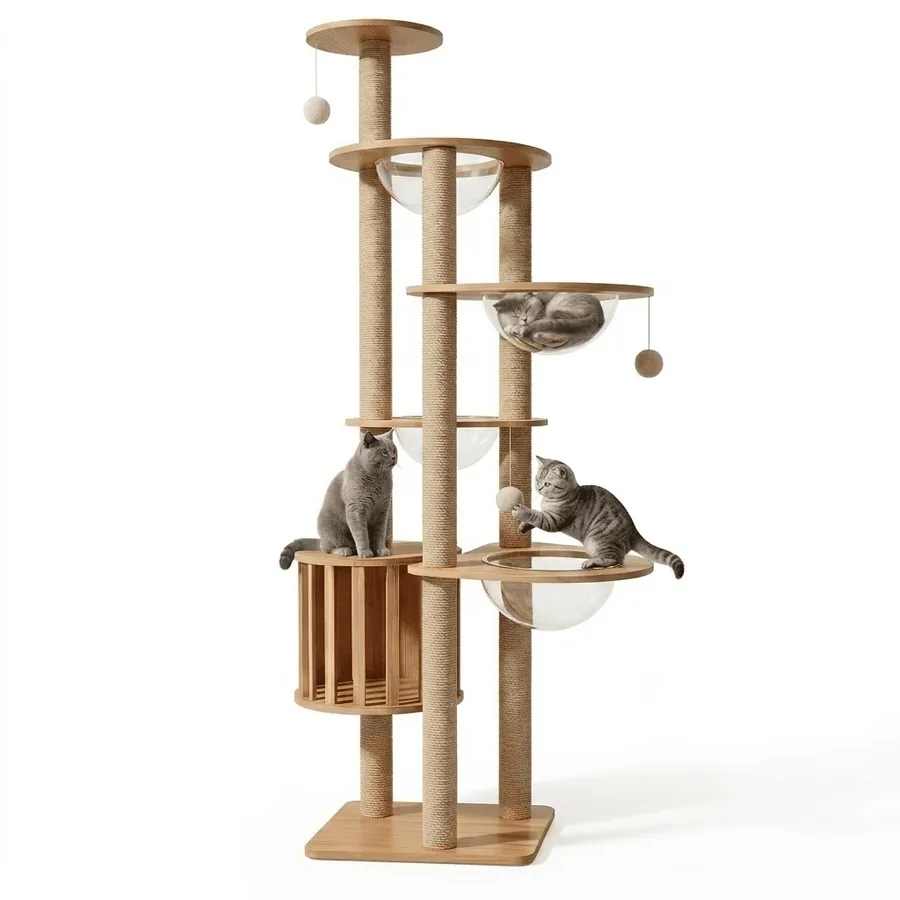
Sisal rope has a dense, bark-like texture that sheds claw sheaths effectively. It lasts well if the rope is tightly wound and the core is solid. Loose, thin rope unravels quickly.
Cardboard is cheap and cats often love it, but it produces debris and needs frequent replacement. It works best as a secondary scratcher.
Carpet is soft underfoot but not ideal for scratching. The pile can catch claws, and the material traps fur and odour. A carpeted post often becomes a bed rather than a scratcher.
Wood is durable but too hard for most cats to use as a primary scratching surface. It is a good structure, not a good scratcher.
Placement decides usage
Cats scratch where they already spend time and where the mark will be seen. Put the post near the sofa they target, not in a spare room. A post beside a favourite sleeping spot or at the entrance to a room gets used far more than one tucked away for tidiness.
If you have multiple cats, provide more than one scratching location. Two posts in different rooms reduce competition and give each cat its own marking zone.
Stability is the hidden variable
A post that rocks or slides feels unsafe. Cats will test it with a paw, then walk away. A weighted base and a solid core matter as much as the rope. If the post is tall, anchor it to the wall or choose a floor-to-ceiling tension design.
When to replace the surface
Replace a sisal sleeve when the rope is frayed through to the core, when it has become loose enough to trap a claw, or when the cat has stopped using it. On a modular tower, the sleeve is a small part; replacing it is much cheaper than replacing the tower.
A short checklist
- Tall enough for a full vertical stretch.
- Tightly wound natural sisal over a solid core.
- Stable base, or anchored to the wall.
- Placed next to the furniture the cat already targets.
- More than one scratching location in a multi-cat home.
- Replaceable wear parts.